
Sludge Removal for Food Processing Plants in South Africa

Updated: May 7
Learn why sludge removal is essential for food processing plants and how it ensures hygiene, compliance, and efficiency.
Sludge Removal for Food Processing Plants in South Africa
Food processing facilities generate large amounts of waste. This makes industrial sludge removal South Africa a critical part of maintaining hygiene and compliance.
Understanding Sludge Build-Up
What Causes Sludge?
Sludge forms from various sources, including:
Organic waste
Fats, oils, and grease (FOG)
Wastewater byproducts
Without proper industrial sludge cleaning, systems can clog and contaminate operations. This can lead to significant issues for food processing plants.
Key Areas That Require Cleaning
Certain areas in food processing plants need regular attention. These include:
Wastewater treatment systems
Grease traps
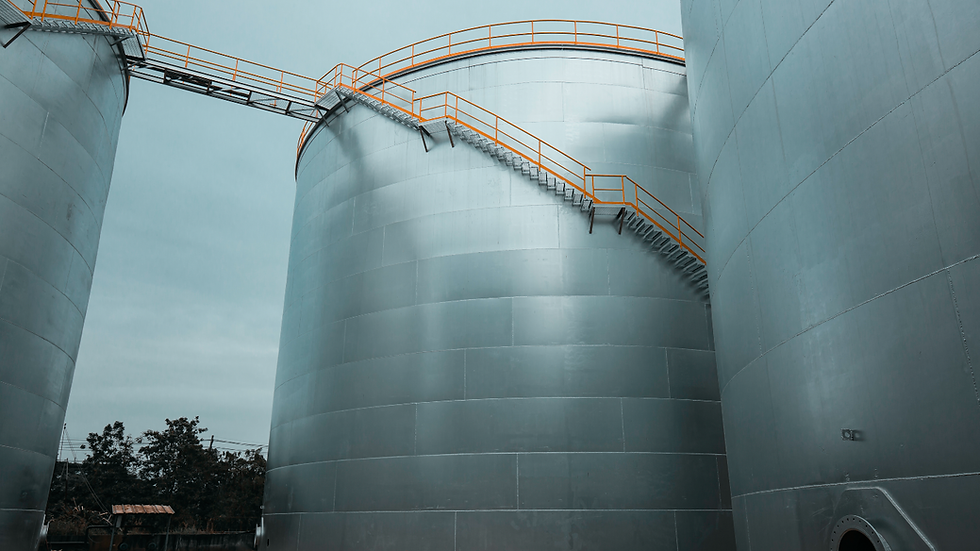
Storage tanks
Drains and pipelines
Routine sludge removal services help prevent contamination risks and maintain operational efficiency.
Compliance and Hygiene Standards
Food facilities must adhere to strict hygiene and environmental regulations. Poor waste management can lead to severe consequences, such as:
Fines
Shutdowns
Product contamination
By ensuring proper sludge removal, facilities can avoid these pitfalls and maintain their reputation.
Benefits of Professional Sludge Removal
Engaging professional services for sludge removal offers numerous benefits:
Maintains hygiene standards
Prevents blockages
Ensures regulatory compliance
Reduces downtime
Regular industrial sludge cleaning is essential for safe and efficient food production in South Africa.
The Importance of Regular Maintenance
Why Schedule Regular Sludge Removal?
Regular maintenance is crucial for food processing plants. It helps in:
Keeping systems running smoothly
Reducing the risk of contamination
Ensuring compliance with health regulations
How Often Should Sludge Be Removed?
The frequency of sludge removal depends on production levels. However, regular maintenance is always recommended to avoid build-up and related issues.
Common Types of Sludge in Food Processing
What Type of Sludge is Common?
In food processing plants, the most common types of sludge include:
Organic waste
Fats, oils, and grease
Understanding the types of sludge helps in planning effective removal strategies.
FAQs About Sludge Removal for Food Processing Plants in South Africa
Get in Touch
If you have questions or need assistance, feel free to reach out to us.


Comments